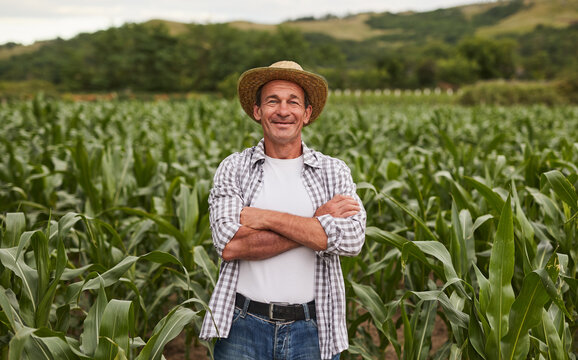
The Farmer Production Chain
The production chain for farmers to grocery store involves a complex series of steps that ensure the availability of fresh and nutritious food to consumers. This chain involves multiple actors, including farmers, processors, distributors, retailers, and consumers. In this article, we will explore the various stages of this production chain and the role each actor plays in bringing food from the farm to the grocery store.

Stage 1: Farming
The first stage of the production chain is farming. This involves the cultivation of crops and the raising of livestock. Farmers are responsible for growing crops and raising animals that will eventually become food products for consumers. The success of this stage depends on a variety of factors, including soil quality, weather patterns, pest control, and irrigation. Farmers use a variety of tools and technologies to ensure that their crops and animals are healthy and productive, including tractors, irrigation systems, fertilizers, and pesticides.
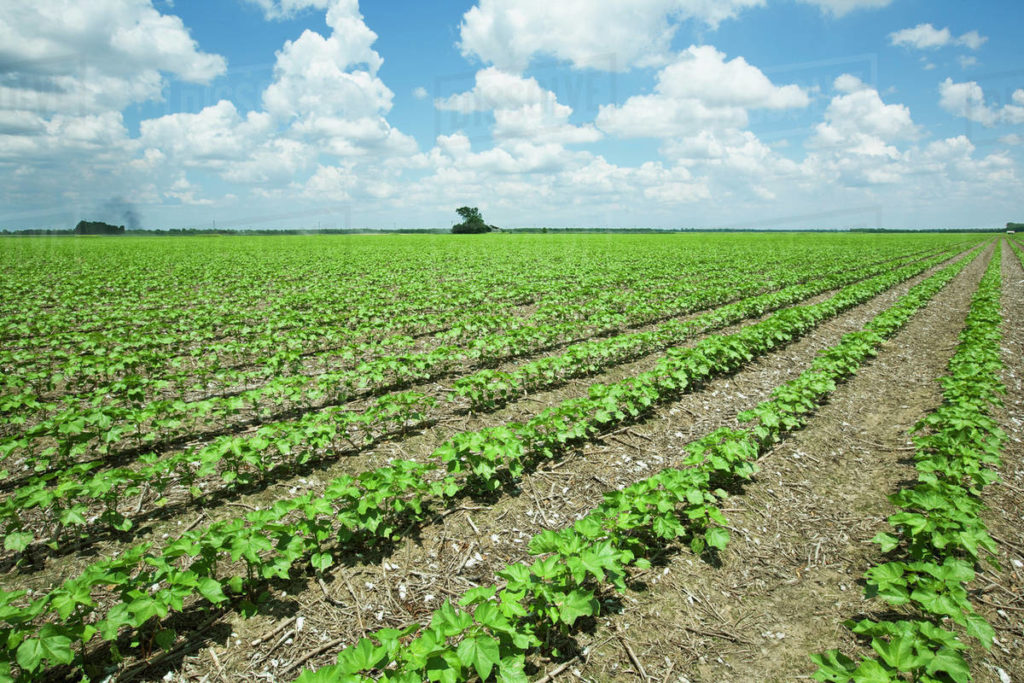
Stage 2: Harvesting
Once crops are mature and livestock is ready for processing, the next stage in the production chain is harvesting. This involves the collection of crops and the slaughtering of animals. Depending on the type of crop or animal, different techniques may be used to ensure that the product is harvested safely and efficiently. For example, crops such as corn or wheat are typically harvested using large machinery that can collect and process large quantities of grain at once. Livestock, on the other hand, may be harvested using specialized equipment that is designed to minimize stress and discomfort for the animal.

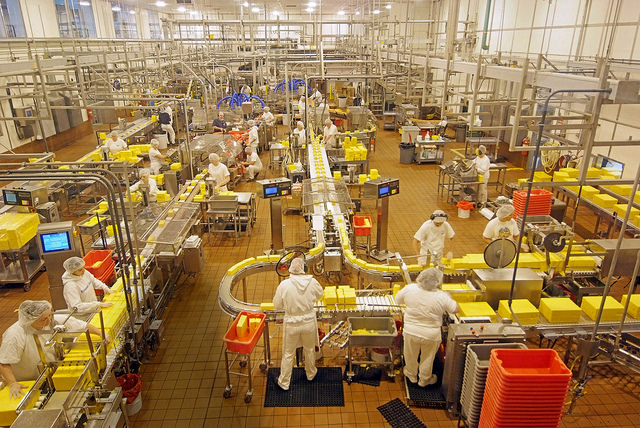
Stage 3: Processing
After crops and animals have been harvested, they must be processed before they can be sold to consumers. Processing involves a variety of techniques that are designed to preserve the freshness and nutritional value of the food. For example, crops may be dried, canned, or frozen, while livestock may be processed into meat products such as sausages, steaks, and ground beef. The processing stage is critical to the production chain, as it ensures that the food is safe for consumption and can be stored for longer periods of time. Especially when Australia is set to reach it’s largest cattle herd in nearly a decade.
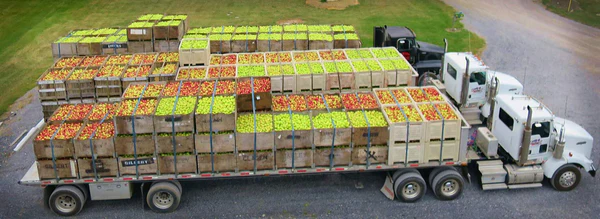
Stage 4: Distribution
Once the food has been processed, it must be distributed to retailers and wholesalers. Distribution involves the transportation of food products from processing facilities to distribution centers and ultimately to retail stores. This stage is critical to the production chain, as it ensures that food is available to consumers in a timely and efficient manner. Distributors use a variety of transportation methods to move food products, including trucks, trains, and airplanes. During Covid19 the logistics and transportation of fresh produce and products via interstate routes were ground to a halt resulting from endless lockdowns and border closures in place. What we witnessed was Uber drivers, Florist deliveries and many localised removalists in Melbourne, Sydney and Brisbane deliver food and product to regional areas and the vulnerable.
Stage 5: Retailing
The final stage of the production chain is retailing. This involves the sale of food products to consumers in grocery stores, supermarkets, and other retail outlets. Retailers play a critical role in the production chain, as they are responsible for ensuring that food products are available to consumers when and where they are needed. Retailers work closely with distributors and wholesalers to ensure that they have a steady supply of fresh and nutritious food products.

In addition to these five stages, there are a variety of other factors that can impact the production chain for farmers to grocery store. For example, government regulations, trade policies, and market demand can all have an impact on the availability and pricing of food products. Weather patterns, natural disasters, and other environmental factors can also impact the production chain by disrupting crop yields and transportation networks.
Despite these challenges, the production chain for farmers to grocery store remains a critical component of the global food system. According to the Australian Government Agricultural White Paper the Australian Government is dedicated to grow the sector. By working together, farmers, processors, distributors, retailers, and consumers can ensure that fresh and nutritious food is available to people around the world. This production chain is a testament to human ingenuity and innovation, and it continues to evolve as new technologies and techniques are developed to improve food production and distribution.
The production chain for farmers to grocery store involves a complex series of steps that ensure the availability of food products to consumers around the world. Each stage of the production chain is critical to the success of the system, and requires careful coordination and collaboration between the various actors involved. Despite the challenges posed by climate change, trade policies, and other factors, the production chain for farmers to grocery store remains an essential component of the global food system. As technology continues to advance and new methods are developed to improve food production and distribution, the production chain will undoubtedly continue to evolve, ensuring that fresh and nutritious food is available to people everywhere.